


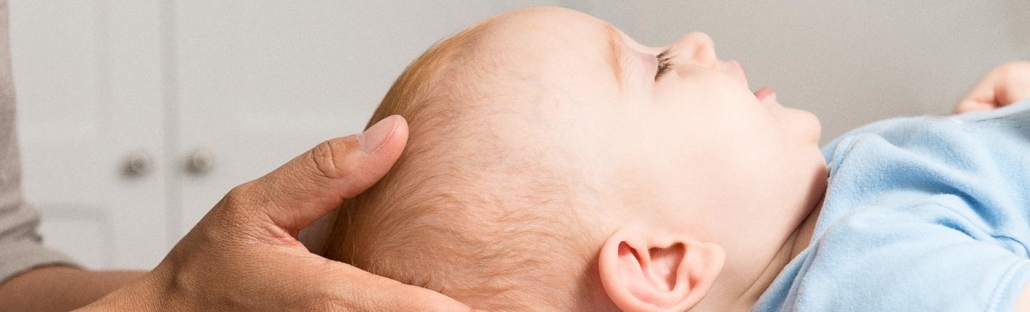
Pediatric Osteopathy, or children’s osteopathy, is an alternative that parents are increasingly considering.
Pediatric osteopathy has excellent results without the risk of side effects for the baby.
The aim of osteopathy is to restore harmony and correct functionality to the body by treating pain and dysfunctions.
During pregnancy he fetus undergoes numerous pressures that can cause dysfunctions. The force/pressure that can most influence the newborn is childbirth.
During labor, the newborn must come out of the pelvic canal and undergo compression of the skull.
Sometimes this force is excessive and also compresses the vagus nerve. This nerve innervates the entire digestive system and can thus lead to digestive dysfunctions, such as the famous newborn colic.
In the case of premature birth, the situation is even more delicate, as the newborn will have an immature cardio-respiratory and digestive system.
In these cases, even a small dysfunction can cause difficulties in the newborn’s development.
Thanks to gentle and painless techniques, pediatric osteopathy is able to identify tissue restrictions and improve their movement and quality.
Osteopathy for children, when to go?
Osteopathy for children is first and foremost a method of prevention, as it prevents babies from experiencing the symptoms and dysfunctions that are common in the first few months of life.
Often it is the pediatrician who recommends osteopathic treatment for the newborn, or it is simply the parents’ initiative.
It is advisable to carry out an osteopathic examination of the newborn from the first weeks of life.
The children’s osteopath will assess and treat tensions related to intrauterine life and childbirth.
The problems that pediatric osteopathy treats are mainly:
– Colic
– Plagiocephaly
– Reflux
– Sleep disorders
– Otitis / Ear inflammation
– Constipation
– Closed lacrimal duct
How osteopathic treatment works with newborns
The newborn is not an adult! The approach, touch and treatment are very different from that of an adult. The pediatric osteopath has specific palpatory skills to be able to assess soft tissues, asymmetries and movement restrictions.
The techniques used with newborns are pleasant for the baby, the touch is light, typical of the treatment of biodynamic osteopathy
The assessment of the baby will be: postural alignment, quantity and quality of movement of the different regions of the body, symmetry of the head and spine, breathing capacity and range of movement of the rib cage, cranial structure and movement.
A restriction of movement in a newborn will be the cause of a dysfunction. The aim of osteopathic treatment in newborns is to eliminate or reduce dysfunctions, helping them to express their potential.
The effects of osteopathic techniques are much more effective and faster during the first year of life.
A baby’s response to osteopathic treatment is much faster and more effective than that of an adult.
Ultimos Artigos
 Baby colic: Symptoms and Osteopathy in LisbonFebruary 11, 2026 - 10:18
 Pregnancy pain: the benefits of osteopathyFebruary 3, 2026 - 17:06
 Tongue position: how it affects the bodyDecember 30, 2025 - 12:22
 Hip pain: Causes, Symptoms and RemediesMarch 5, 2025 - 09:54
 Baby Flat Head Treatment Lisbon – Osteopath Sebastian GuzzettiJanuary 1, 2025 - 13:36