


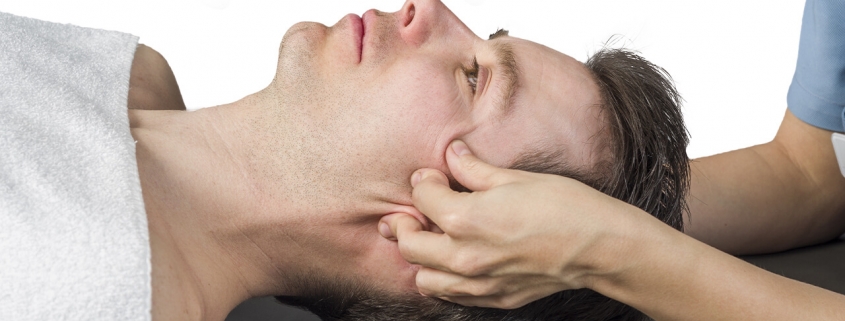
Cranial sacral osteopathy is part of a general osteopathic approach. Through fascial palpation of the bones of the skull and sacrum, it evaluates the forces affecting the body’s other systems.
The first person to study the effectiveness of cranial sacral therapy was Sutherland, a pupil of A.T. Still, over 100 years ago, who later developed what we now define as Biodynamic osteopathy.
The structures are part of sacro-cranial osteopathy: bones, skull membranes, brain and spinal cord; the fluids are mostly represented by cerebrospinal fluid.
The sacro-cranial system moves at its own pace of 10-12 cycles per minute. This rhythm spreads throughout the body and can be felt anywhere in it. This system has a major impact on all the body’s other systems, arterial and nervous.
Cranial sacral therapy balances the nervous system, reduces bodily tension and improves bodily and mental functioning.
Maintaining the normal rhythm of the craniosacral system is of paramount importance in osteopathy, as general health depends on normal cranial rhythm.
Changes in this system occur mainly due to changes in the pressure of the cerebrospinal fluid and its pulsations.
Depending on the quality of these changes, a person’s physical and emotional state changes, both positively and negatively.
There are special osteopathic techniques, applied to the skull and sacrum, which are able to influence and alter this system.
Cranial sacral osteopathy is very effective for:
– Blood circulation in the brain and body
– Osteopathy for babies
– Intensity of chronic pain
– Stress and the nervous system
– Psychosomatic pain
– Sleep/wake rhythm adjustment
– Pelvic problems
– Headache
– Pubalgia
– Lower back pain
– Cervicalgia
– Fibromyalgia
The patient may feel a significant improvement in their health after their first visit to the osteopath.
This approach is used in children’s osteopathy to treat babies.
Cranial sacral therapy is non-invasive and the patient feels the therapy as a light touch of the osteopath’s hands on their body and head.
Ultimos Artigos
 Baby colic: Symptoms and Osteopathy in LisbonFebruary 11, 2026 - 10:18
 Pregnancy pain: the benefits of osteopathyFebruary 3, 2026 - 17:06
 Tongue position: how it affects the bodyDecember 30, 2025 - 12:22
 Hip pain: Causes, Symptoms and RemediesMarch 5, 2025 - 09:54
 Baby Flat Head Treatment Lisbon – Osteopath Sebastian GuzzettiJanuary 1, 2025 - 13:36