


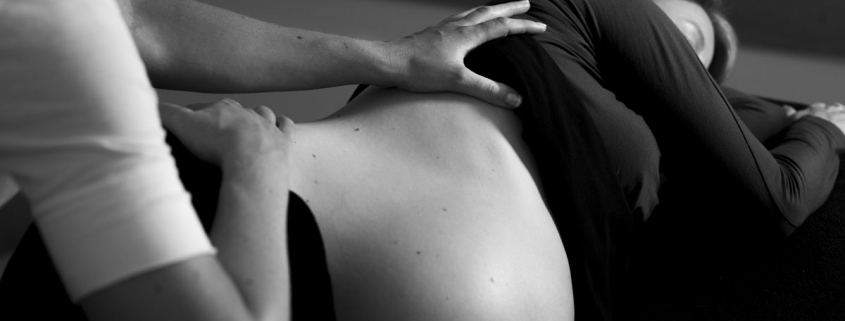
Osteopathy during Pregnancy and After Birth is recommended and harmless. Experiencing pain during pregnancy should not be considered normal, and one should not wait for it to go away on its own.
Osteopathic treatment helps relieve pain and strain in the mother’s body and also improves the environment for the growth of the fetus.
The physical and hormonal changes in the pregnant woman are evident. Posture changes throughout the 9 months of pregnancy, and subsequently, a new sudden change occurs after childbirth.
Osteopathic Treatment During Pregnancy
After assessment, the osteopath uses gentle techniques to release tension and improve the mobility of the entire body, specifically in the lumbar and pelvic regions.
Some techniques are also applied to help the body better adapt to the postural and physiological changes that occur.
The osteopath will also indirectly care for the fetus. Through gentle and light manipulations of the abdominal tissue, the osteopath will help the fetus move freely.
Tension and stiffness in the woman’s body can make it difficult for the fetus to move freely and prevent it from positioning itself correctly. The osteopath will assist in the fetal cephalic positioning through treatment and the release of rigid areas in the expectant mother.
Benefits of Osteopathy During Pregnancy
In order to maintain proper postural balance, sometimes a little help is needed. Osteopathy during pregnancy, through assessment and treatment, can enhance the woman’s self-healing ability, helping her to effectively adapt to the changes that occur.
The techniques used in the treatment of pregnant women are numerous. Many studies demonstrate the safety of osteopathy during pregnancy and its benefits.
One of these techniques is biodynamic osteopathy, which, thanks to its gentle touch, is perfectly suited for pregnant women.
**Note**: Although there are no risks, it is advisable to inform your doctor or midwife if you are in the “high-risk” category.
The most common pains during pregnancy treated with osteopathy are:
- Lower back pain
- Back pain
- Pubalgia
- Hip pain
- Sciatica
- Neck pain (Cervicalgia)
- Diaphragm problems
- Carpal tunnel syndrome
- Headaches
- Reflux
- Postpartum pain
Pregnancy leads to physical, mental, and emotional changes that consume time and energy for most women. In addition to taking care of themselves, women must focus their energy on nurturing the baby.
It may take months or even years before returning to normal. Depending on their pregnancy, labor, and postpartum conditions, women may experience a wide range of issues.
Postpartum Osteopathy
In the first 1-2 days after childbirth, many women experience muscle pain or fatigue, especially in the shoulders, neck, and arms, due to the tension during labor.
The levels of relaxin (the hormone produced during pregnancy to help with the body’s structural adaptation) gradually decrease, and the ligaments and cartilage of the pelvis slowly return to their pre-pregnancy position.
These changes can cause hip and joint pain and interfere with walking and exercise.
Even weeks after childbirth, residual physical tensions caused by labor may occur, such as back pain, menstrual problems, incontinence, or constipation.
Other common issues include weakness of the abdominal wall, abdominal separation (diastasis), and pelvic floor weakness.
Postpartum osteopathy can help relax and eliminate muscle tension, improving postural balance in the first weeks and months after birth.
Osteopathic treatment aims to reduce pain or discomfort during pregnancy and after childbirth, helping to maintain correct postural and pelvic alignment before and after birth.
Pediatric Osteopathy
During pregnancy and childbirth, the fetus undergoes numerous pressures that can create tensions affecting the posture of the newborn and may cause issues like colic, reflux, flat head, sleep disturbances, and more. This is why it is very important to have an evaluation with a pediatric osteopath a few weeks after the newborn’s birth.
Ultimos Artigos
 Baby colic: Symptoms and Osteopathy in LisbonFebruary 11, 2026 - 10:18
 Pregnancy pain: the benefits of osteopathyFebruary 3, 2026 - 17:06
 Tongue position: how it affects the bodyDecember 30, 2025 - 12:22
 Hip pain: Causes, Symptoms and RemediesMarch 5, 2025 - 09:54
 Baby Flat Head Treatment Lisbon – Osteopath Sebastian GuzzettiJanuary 1, 2025 - 13:36